PLA and PETG are the two filaments most home printers use. Both print without an enclosure, are easy to find and are not expensive. For a decorative object on a shelf, the choice hardly matters. But as soon as a print gets wet, warm or sits in the sun, the differences become large. This guide compares them side by side, with a focus on bathrooms, kitchens and outdoor use.
Short answer
- Dry and indoors: PLA. Easy to print, stiff, crisp detail.
- Bathroom and kitchen: PETG. Handles heat and moisture better.
- Outdoors in the sun: PETG as a reasonable choice, ASA if it has to last for years.
- Parts that flex or take knocks: PETG. It is tougher and less likely to snap.
Heat: the biggest difference
The key number is the temperature at which the plastic starts to soften (the glass transition temperature).
| PLA | PETG | |
|---|---|---|
| Softens at around | 55 to 60 °C | roughly 75 to 80 °C |
| In practice | Deforms in a hot car, in full sun behind glass, with hot water | Has clearly more margin |
Bathroom air rarely gets hot enough to soften PLA. The problem is the combination: warm water, steam and a part under load. PLA can then slowly "creep", so a holder starts to bend. PETG has more headroom. Neither belongs in the dishwasher or in boiling water.
Moisture and water
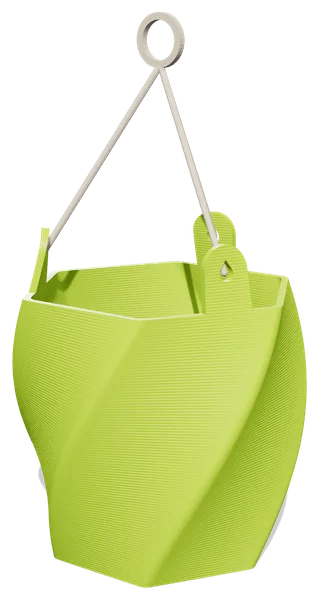
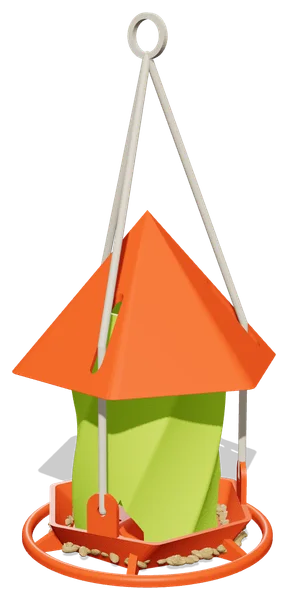
Once printed, both materials absorb very little water and both are fine to use with water. The difference is mainly layer adhesion. PETG prints hotter and its layers fuse together better, so a PETG print is often easier to make watertight. That matters for planters with a reservoir, such as the Hanging Hex Planter. See also our guide to watertight planters.
Note: filament on the spool does absorb moisture, especially PETG. Wet filament causes popping sounds, stringing and a rough surface. Store spools sealed with desiccant, and dry PETG if it starts printing badly.
UV and outdoor use
Sunlight slowly breaks plastic down. Outdoors, PLA fades and becomes brittle over time, and in summer sun it can simply get too hot. PETG holds up clearly better outside. For parts that sit in full sun for years, ASA is the better choice: it is made to be UV resistant. ASA is harder to print, though. It needs an enclosure to prevent warping, and it gives off fumes, so ventilate well.
| PLA | PETG | ASA | |
|---|---|---|---|
| UV resistance | Low | Fair | High |
| Heat resistance | Low | Medium | High |
| Ease of printing | Very easy | Easy | Harder (enclosure needed) |
| Toughness | Stiff, snaps sooner | Tough, bends first | Tough |
Strength and toughness
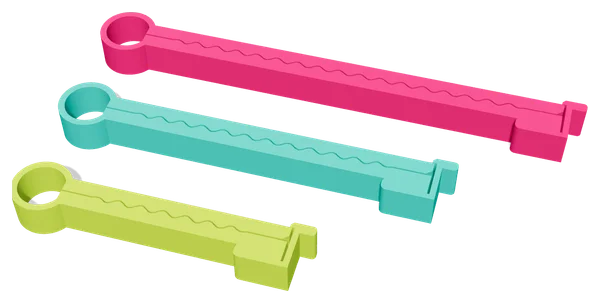
PLA is stiff: it bends very little, but when it fails, it snaps. PETG is tougher: it bends first and is less likely to break. For parts that flex, that makes a big difference. The printed ring spring of the Bag Clip Set works in PLA, but PETG springs back better and stays flexible longer. In the freezer PETG is also the better choice, as PLA gets more brittle in the cold.
Print settings at a glance
These are common starting values. Always check the spool or the manufacturer's site, as brands differ.
| PLA | PETG | |
|---|---|---|
| Nozzle | approx. 200 to 220 °C | approx. 230 to 250 °C |
| Bed | approx. 55 to 60 °C | approx. 70 to 85 °C |
| Cooling | High | Lower than PLA |
| Watch out for | Very little | More stringing; can stick too well to a smooth PEI sheet, so use a glue stick as a release layer |
By application
Bathroom
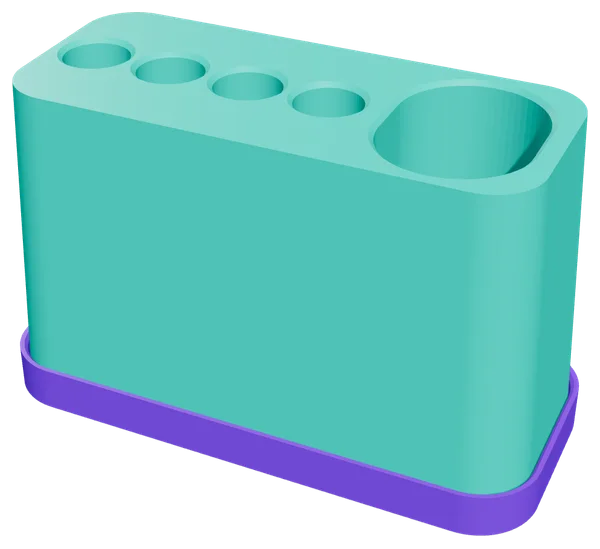
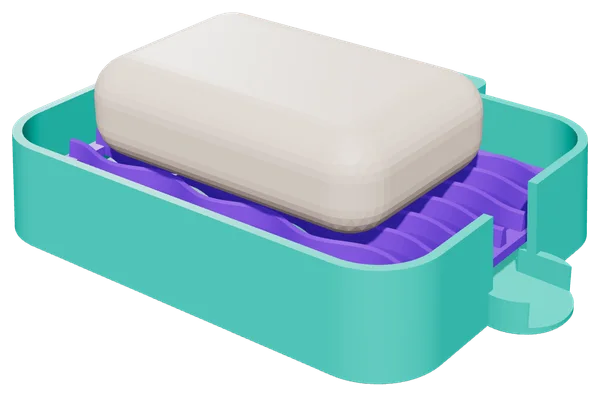
Choose PETG. A toothbrush holder sits in a warm, humid room and is in contact with water and toothpaste. PETG copes better. Clean it regularly: a 3D print has fine layer lines where grime can collect. That is why our holder has a removable drip tray you can simply rinse.
Kitchen
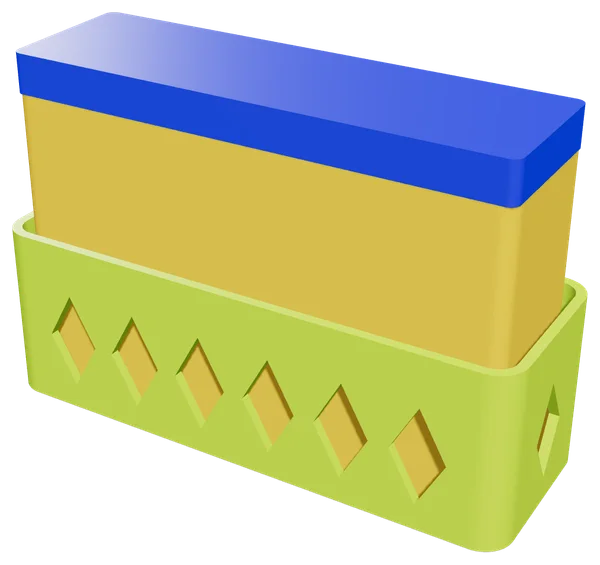
Choose PETG for anything near the sink or the kettle. For a dry spot, such as a bag clip in the cupboard, PLA is fine too. A note on food: whether a print is food safe depends on the filament, any colourants, the nozzle and the layer structure, where bacteria can hide. Do not use prints for direct, repeated contact with food unless you know exactly what you are doing.
Outdoors and in the garden
Choose PETG for a season or a sheltered spot, and ASA for long-term full sun. PLA in the garden warps and fades.
Indoor planters
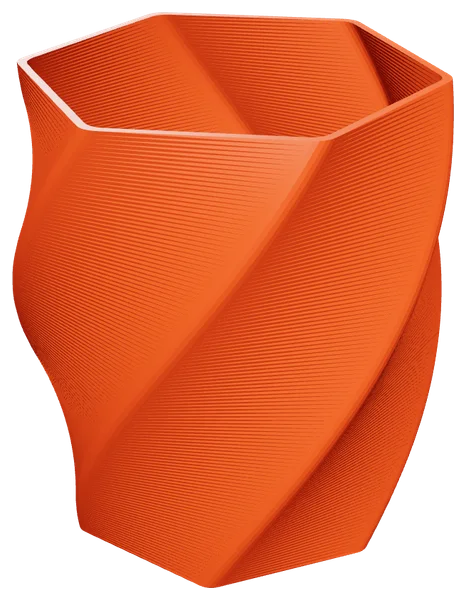
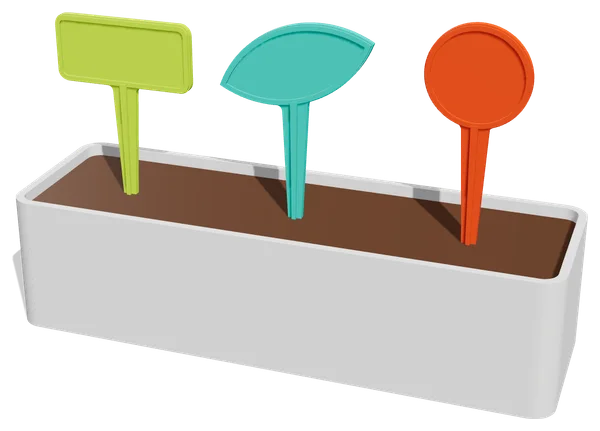
A decorative pot on a windowsill can be PLA, as long as it is not in full sun behind glass. A pot you pour water into, such as the Twisted Hex Planter with its saucer or a hanging planter with a reservoir, is better printed in PETG.
Frequently asked questions
Is PETG harder to print than PLA? A little. It needs a higher temperature and less cooling, and strings more easily. On most modern printers with a stock profile it works well.
Can I use PLA outdoors? For a short time in the shade, yes. In the sun it deforms in warm weather and becomes brittle over time.
Is PLA biodegradable? PLA is industrially compostable. In a home compost heap or in nature it breaks down only very slowly. Do not put it in garden waste.
Conclusion
For anything that stays dry and indoors, PLA is fine. As soon as heat, water or sun come into play, PETG is the safe choice. Every LayerKit design lists the material we recommend and the settings to use. Have a look at the useful prints for the home or the planters, or read on about infill and walls for strong prints.